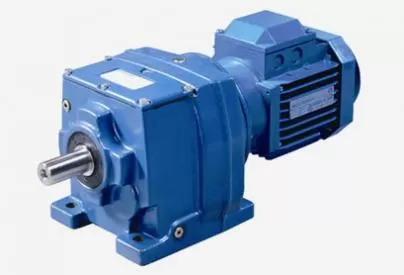
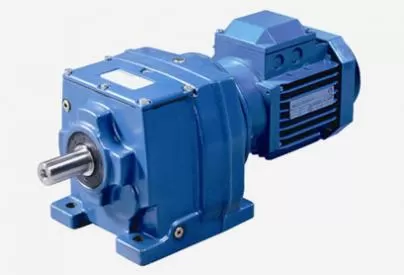
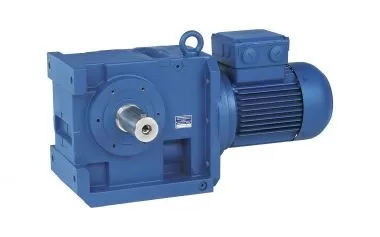
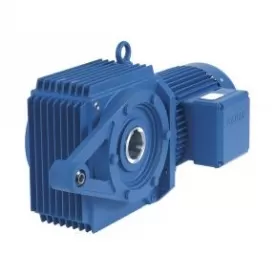
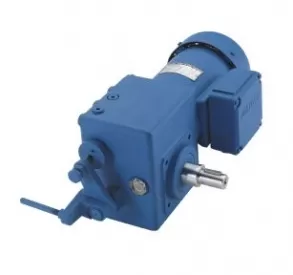
For many engineers, deciding on the right gear motor can be a challenging task. This is mainly because of the various factors that must be considered when choosing among various gear motors. Thus, it’s crucial to be familiar with your application to find the perfect option.
Here are three tips to keep in mind when choosing gear motors for your unique needs:
Determine your application requirements
The very first step to finding a suitable gear motor is to review each of your application requirements. These include knowing the general factors such as mounting type, size and orientation, envelope size, as well as overhung and side loads. Next is to decide on the input power source you need, like frequency, voltage, and maximum current.
You can then proceed to focusing on the specifics of a gear motor, including weight, size, lifespan, maintenance, and noise level. In terms of performance, it’s a good idea to consider torque, speed, horsepower, duty cycle, and load. Lastly, environmental factors like temperature are worth noting as well.
Choose the right motor
Since every application is unique and requires a different set of parameters, it’s vital to carefully select the right motor. This involves understanding which particular factors are crucial for your application. Then, comparing this to the specifications of the types of gear motors you prefer to use.
Determine the torque and speed requirements of the machine’s load
One helpful way to ensure that the right gear motor has been chosen is to specifically identify the output speed, as well as the starting and running torque it would experience. Matching the needs of your application to the torque and requirements of your machine is important to maintain. It’s also essential to remember that when opting for a pre-engineered gear motor, the manufacturer will often do much of the work in making sure that the motor and gearbox match seamlessly.
For many engineers, deciding on the right gear motor can be a challenging task. This is mainly because of the various factors that must be considered when choosing among various gear motors. Thus, it’s crucial to be familiar with your application to find the perfect option.
Here are three tips to keep in mind when choosing gear motors for your unique needs:
Determine your application requirements
The very first step to finding a suitable gear motor is to review each of your application requirements. These include knowing the general factors such as mounting type, size and orientation, envelope size, as well as overhung and side loads. Next is to decide on the input power source you need, like frequency, voltage, and maximum current.
You can then proceed to focusing on the specifics of a gear motor, including weight, size, lifespan, maintenance, and noise level. In terms of performance, it’s a good idea to consider torque, speed, horsepower, duty cycle, and load. Lastly, environmental factors like temperature are worth noting as well.
Choose the right motor
Since every application is unique and requires a different set of parameters, it’s vital to carefully select the right motor. This involves understanding which particular factors are crucial for your application. Then, comparing this to the specifications of the types of gear motors you prefer to use.
Determine the torque and speed requirements of the machine’s load
One helpful way to ensure that the right gear motor has been chosen is to specifically identify the output speed, as well as the starting and running torque it would experience. Matching the needs of your application to the torque and requirements of your machine is important to maintain. It’s also essential to remember that when opting for a pre-engineered gear motor, the manufacturer will often do much of the work in making sure that the motor and gearbox match seamlessly.