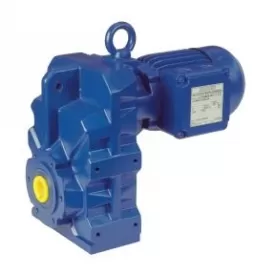
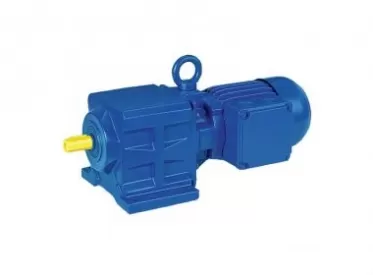
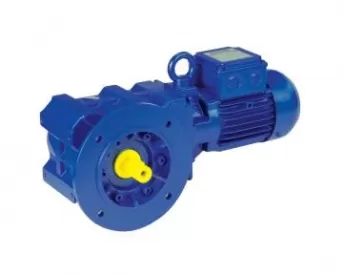
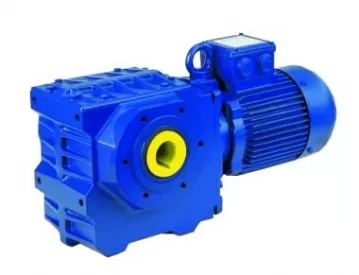
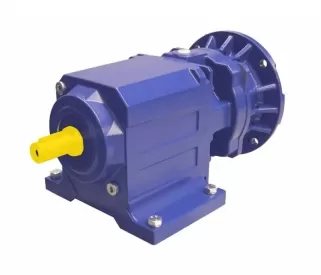
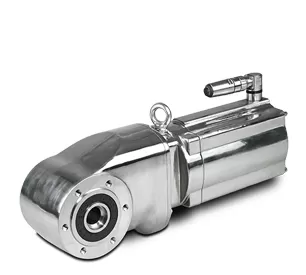
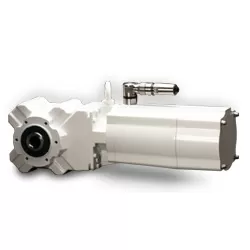
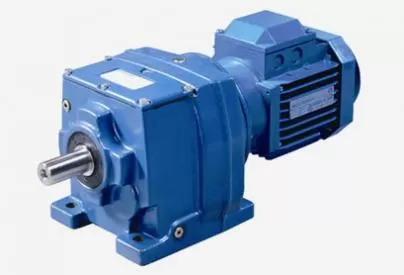
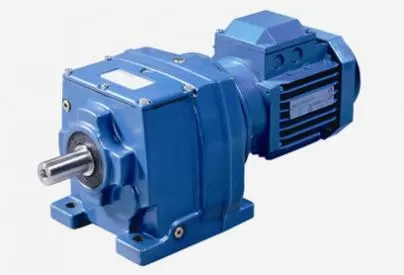
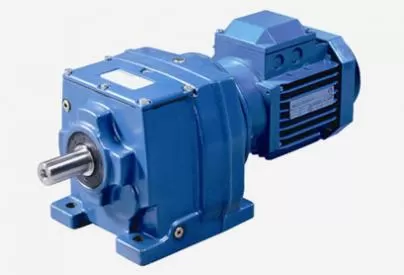
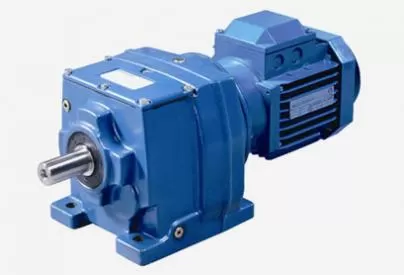
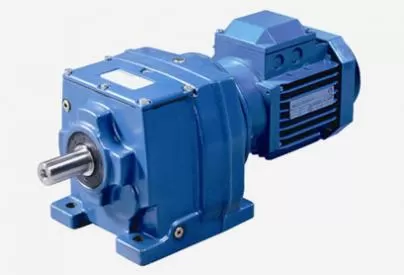
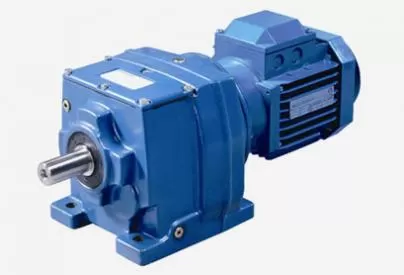
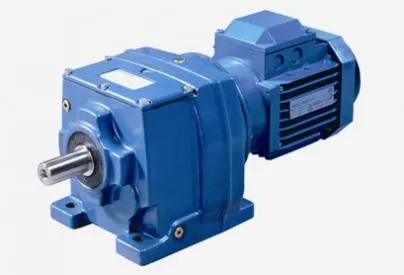
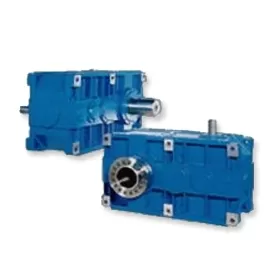
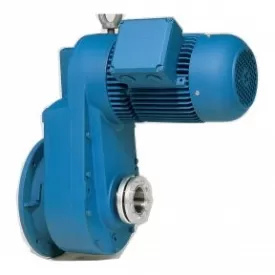
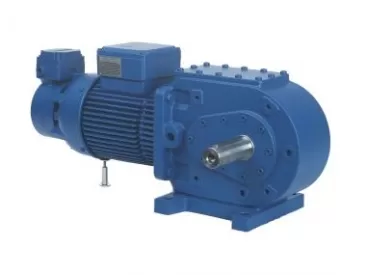
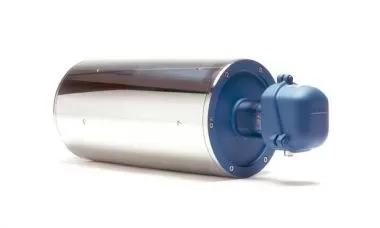
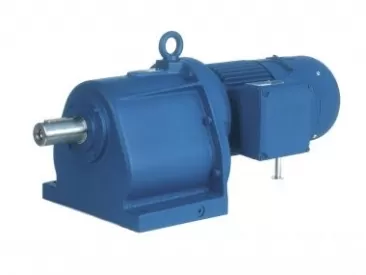
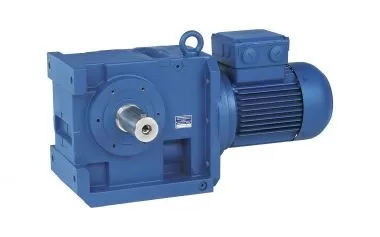
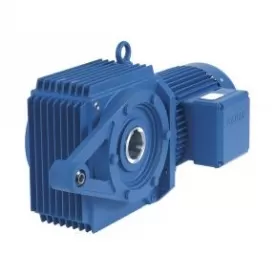
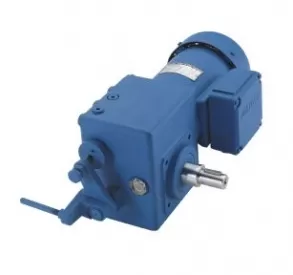
A gear reducer, also known as gear box or gear shifter, is a system of gears which reduces input rotational speed and redirects the same to another component at lower speed and higher torque. It reduces speed to avert loss of control in rotating systems such as from the engine of a car to its wheels. Gear reducers change the energy input by altering the ratio of rotation of two mechanical parts. Gear boxes are used in automotives, bicycles and conveyor systems.
There are different types of gear reducers in the industries. Each type has its own strengths and weaknesses:
Spur gear box
This is the most simply designed of gear boxes. It is able to handle high gear ratios with efficiency levels of up to 98%. However, this gear box is very noisy and can only be used where noise is acceptable.
Helical gearbox
In helical gearboxes, the gears are normally locked at 90 degrees. They are usually in parallel or crossed positions. Parallel gearboxes have higher load capacities than crossed gearboxes. Helical gearboxes, due to their helical design, are significantly quieter during operation than spur gearboxes. There are different variations of the helical gearboxes listed below.
Bevel helical gearbox
It provides motion between shafts that are not parallel. It is mostly used in the mining industry.
Coaxial helical inline gearbox
This is a very efficient gearbox designed to operate with little friction. It is suitable for heavy duty applications such as lifting, construction and tank fabrication.
Skew bevel helical gearbox
This gear reducer is rigid and strong and excellent for transporting heavy loads.
Planetary/ epicyclic gearbox
This gear reducer is characterized by gears orbiting around a central gear. It is compact and handles high ratios thereby delivering large amounts of torque. It is efficient even in low speeds.
Unsure of where to begin your gear motor or gear reducer search? Contact our expert team at Bauer GMC who can point you in the right direction! Call us today at 1-888-668-7730!
A gear reducer, also known as gear box or gear shifter, is a system of gears which reduces input rotational speed and redirects the same to another component at lower speed and higher torque. It reduces speed to avert loss of control in rotating systems such as from the engine of a car to its wheels. Gear reducers change the energy input by altering the ratio of rotation of two mechanical parts. Gear boxes are used in automotives, bicycles and conveyor systems.
There are different types of gear reducers in the industries. Each type has its own strengths and weaknesses:
Spur gear box
This is the most simply designed of gear boxes. It is able to handle high gear ratios with efficiency levels of up to 98%. However, this gear box is very noisy and can only be used where noise is acceptable.
Helical gearbox
In helical gearboxes, the gears are normally locked at 90 degrees. They are usually in parallel or crossed positions. Parallel gearboxes have higher load capacities than crossed gearboxes. Helical gearboxes, due to their helical design, are significantly quieter during operation than spur gearboxes. There are different variations of the helical gearboxes listed below.
Bevel helical gearbox
It provides motion between shafts that are not parallel. It is mostly used in the mining industry.
Coaxial helical inline gearbox
This is a very efficient gearbox designed to operate with little friction. It is suitable for heavy duty applications such as lifting, construction and tank fabrication.
Skew bevel helical gearbox
This gear reducer is rigid and strong and excellent for transporting heavy loads.
Planetary/ epicyclic gearbox
This gear reducer is characterized by gears orbiting around a central gear. It is compact and handles high ratios thereby delivering large amounts of torque. It is efficient even in low speeds.
Unsure of where to begin your gear motor or gear reducer search? Contact our expert team at Bauer GMC who can point you in the right direction! Call us today at 1-888-668-7730!